Black August, Black Pride Month, and the Work of Building Power
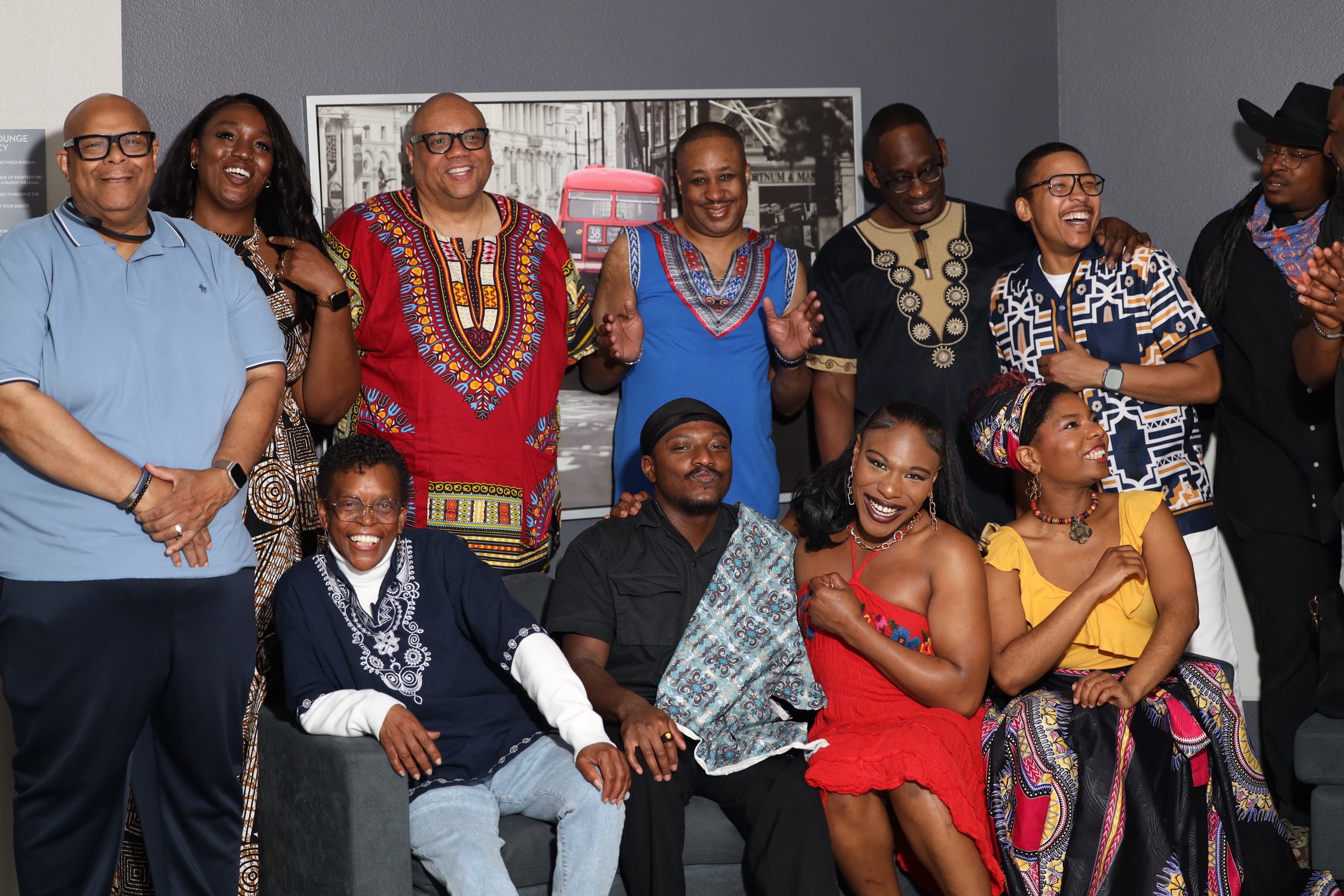
Photo of Pacific Northwest Black Pride members
From remembrance to recognition, Pacific Northwest Black Pride is helping make August a month of Black LGBTQIA2S+ visibility, culture, health, and collective power.
By Bishop Steven R. Sawyer, Editor
August has always carried deep meaning in Black history.
It is a month connected to remembrance, resistance, liberation, political consciousness, and the unfinished work of freedom. For many, Black August is a time to reflect on the history of Black struggle in America and the generations of people who challenged systems that denied Black communities' dignity, safety, opportunity, and self-determination.
For Pacific Northwest Black Pride, history matters.
But so does the future.
That is why our work around Black Pride Month is about more than adding another celebration to the calendar. It is about creating sustained recognition of Black LGBTQIA2S+ people, our contributions, our health, our culture, our families, our leadership, and our political power.
Black queer and trans people have always been part of the movement for Black liberation. We have organized, marched, preached, cared for the sick, created art, built institutions, raised families, challenged government, and helped shape nearly every major movement for justice in this country.
Yet too often our names, stories, and contributions have been minimized or erased.
Black Pride Month is one way we are changing that.
Why August?
August offers a powerful intersection of history and possibilities.
Black August asks us to remember the struggle.
Black Pride asks us to celebrate survival, identity, culture, joy, and community.
Together, they ask an even larger question:
What does liberation look like when Black LGBTQIA2S+ people are fully seen, fully resourced, and fully empowered?
For Pacific Northwest Black Pride, the answer includes health equity, economic opportunity, civic engagement, cultural preservation, leadership development, community safety, housing stability, youth investment, and the freedom to live authentically.
This is why our annual Pride celebration has grown into something much larger.
We are not interested in Pride being only a weekend.
We are building a movement.
From Pride Weekend to Black Pride Month
Our vision is to establish August as Black Pride Month in Washington State and ultimately create permanent recognition that extends beyond proclamations and ceremonial statements.
Pacific Northwest Black Pride, alongside community partners and the emerging Washington State Ubuntu Coalition for Equity, is working toward broader municipal and statewide recognition of Black Pride Month.
The effort is intentional.
Proclamations matter because public recognition matters. They tell communities that their history and contributions belong on the public record.
But proclamations alone are not enough.
Our long-term goal is to pursue permanent recognition through state policy and to build the public investment necessary to support Black LGBTQIA2S+ communities year-round.
“We are not asking government to simply recognize us for thirty-one days,” said Bishop Steven R. Sawyer, Founder and CEO of Pacific Northwest Black Pride. “We are asking Washington to acknowledge that Black LGBTQIA2S+ people are part of the history, present, and future of this state, and that recognition should eventually be reflected in policy, investment, education, health equity, and civic participation.”
That is what Black Pride Month can become.
Not merely visibility. Infrastructure.
Not simply a celebration. Power.
Ubuntu Rising
This year's Pacific Northwest Black Pride theme, “Ubuntu Rising — Global Roots”. Our Collective Power,” reflects the spirit of that work.
Ubuntu is often expressed through the idea; I am because we are.
That philosophy is deeply connected to both Black August and Black Pride.
Our liberation has never been achieved through individual success. It has been built through community: people sharing food, creating safe spaces, organizing political campaigns, protecting one another, raising money, mentoring young people, caring for elders, creating art, building businesses, establishing churches, and refusing to allow one another to disappear.
That collective responsibility remains essential today.
Black LGBTQIA2S+ communities continue to experience inequities in healthcare, housing, employment, mental health, HIV outcomes, cancer outcomes, violence, and access to culturally responsive services.
At the same time, we are living through a period in which LGBTQIA2S+ rights, racial equity initiatives, public health infrastructure, and even the collection of data about marginalized communities are increasingly contested.
That reality makes organizing even more important.
“We cannot afford to only gather when there is a crisis,” Sawyer said. “We have to build relationships, coalitions, organizations, and political strength before the crisis arrives. That is what power-building means.”
A Month of Culture, Health, Joy, and Action
Pacific Northwest Black Pride's August programming reflects that broader vision.
Our gatherings create spaces for community health, education, worship, arts and culture, youth leadership, advocacy, networking, healing, entertainment, and celebration.
The goal is not to separate joy from justice. For Black communities, joy has always been part of our resistance. We dance while organizing. We worship while building. We laugh while healing. We celebrate while demanding change.
Black Pride creates room for all of those things to exist together.
That matters particularly for Black LGBTQIA2S+ people who are often asked to choose between parts of themselves, Black or queer, faith or sexuality, activism or celebration, professional success or community connection.
Our answer is simple: We refuse to choose. We bring our whole selves.
Making Recognition Permanent
Our Black Pride Month effort is also legacy. Future generations should not have to repeatedly explain why Black LGBTQIA2S+ people deserve recognition.
We want young Black queer and trans people growing up in Washington to see themselves represented in public institutions, cultural celebrations, schools, healthcare systems, government, and civic life.
We want August to become a month when organizations across Washington intentionally recognize Black LGBTQIA2S+ history and leadership. We want public agencies, corporations, health systems, nonprofits, elected officials, and community institutions to move beyond statements and ask:
What are we doing to materially improve the lives of Black LGBTQIA2S+ people?
That question changes the conversation. It moves us from symbolic inclusion toward measurable accountability.